Bluetooth LE Scanner: Features, Uses, and Benefits
Introduction to Bluetooth LE Scanner Technology
Bluetooth Low Energy (BLE) Scanner technology has become an essential component in modern wireless communication, Internet of Things (IoT), cybersecurity analysis, and smart device optimization. A Bluetooth LE Scanner is a specialized software tool or mobile application that detects, analyzes, and monitors nearby BLE devices. These devices include smartwatches, wireless earbuds, fitness trackers, smart home systems, medical devices, and industrial IoT sensors.
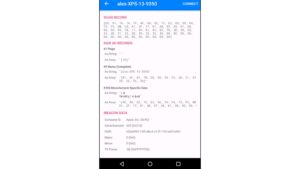
Unlike traditional Bluetooth, BLE is optimized for low power consumption, making it ideal for battery-powered devices that need to run for months or even years. Bluetooth LE scanners help users identify device information such as signal strength (RSSI), MAC address, device name, services, and characteristics.
From a professional perspective, Bluetooth LE scanning plays a major role in network diagnostics, wireless security auditing, asset tracking, and enterprise IoT infrastructure management.
How Bluetooth LE Scanner Works
Bluetooth LE scanners operate by continuously scanning for advertising packets broadcast by nearby BLE devices. These packets contain essential information used for identification and communication.
The scanner performs the following core functions:
-
Detect nearby Bluetooth LE devices in real time
-
Display device signal strength (RSSI) for distance estimation
-
Identify device MAC address and manufacturer data
-
Monitor BLE services and characteristics
-
Analyze connection stability and performance
BLE devices periodically transmit advertising signals, and the scanner collects and decodes this information. This process is extremely useful for Bluetooth network engineers, cybersecurity professionals, and IoT developers.
Key Features of Bluetooth LE Scanner Applications
High-quality Bluetooth LE scanner apps offer advanced features designed for professional and commercial use. These features significantly improve wireless performance monitoring and device management.
1. Real-Time Device Discovery
Bluetooth LE scanners instantly detect nearby BLE devices. This helps in identifying unknown devices, troubleshooting connectivity problems, and monitoring wireless environments.
2. Signal Strength Analysis (RSSI Monitoring)
RSSI (Received Signal Strength Indicator) helps determine how close or far a BLE device is. This feature is critical in indoor positioning systems, asset tracking, and smart building automation.
3. Device Identification and Manufacturer Data
BLE scanners display detailed device information, including:
-
Device Name
-
MAC Address
-
Manufacturer ID
-
Service UUID
-
Firmware details
This is useful for enterprise IT management and hardware diagnostics.
4. BLE Services and Characteristics Inspection
Professional BLE scanner tools allow developers to inspect:
-
Device services
-
Characteristics
-
Read/write permissions
-
Data exchange capabilities
This is essential for app developers, IoT engineers, and firmware developers.
5. Connection Testing and Debugging
Developers use BLE scanners to test communication between mobile apps and IoT devices. It helps in identifying bugs, latency issues, and performance bottlenecks.
Importance of Bluetooth LE Scanner in IoT and Smart Devices
Bluetooth LE scanning is critical in modern IoT ecosystems. With billions of connected devices worldwide, BLE scanners play a vital role in device management and optimization.
Smart Home Automation
BLE scanners help identify smart bulbs, smart locks, thermostats, and sensors. This improves smart home connectivity and troubleshooting.
Industrial IoT Monitoring
Industries use BLE scanners to monitor equipment sensors, asset trackers, and industrial automation systems.
Healthcare and Medical Devices
BLE scanners help monitor medical equipment such as:
-
Heart rate monitors
-
Blood glucose sensors
-
Wearable health devices
This ensures reliable data transmission and device functionality.
Asset Tracking and Logistics
BLE scanners are widely used in supply chain management and asset tracking systems. Companies use BLE beacons to track valuable equipment and inventory.
Bluetooth LE Scanner and Cybersecurity Applications
Bluetooth LE scanners are powerful tools for cybersecurity professionals. They help detect unauthorized devices and prevent wireless security threats.
Detect Unauthorized Bluetooth Devices
Organizations use BLE scanners to identify unknown or malicious devices in their network environment.
Wireless Network Security Auditing
BLE scanners help security analysts perform wireless audits and vulnerability assessments.
Penetration Testing and Ethical Hacking
Cybersecurity experts use BLE scanners to analyze Bluetooth vulnerabilities and improve device security.
Privacy Protection and Device Monitoring
BLE scanners help users monitor their environment and ensure no unknown tracking devices are present.
This is particularly important in corporate security, enterprise IT infrastructure, and data protection environments.
Benefits of Using Bluetooth LE Scanner for Developers
Bluetooth LE scanners are essential tools for software developers working on mobile apps, IoT platforms, and embedded systems.
Faster App Development and Testing
Developers can quickly test BLE connectivity and debug device communication.
Improved Device Compatibility
BLE scanners help ensure apps work properly with multiple Bluetooth devices.
Performance Optimization
Developers can analyze signal strength and optimize device performance.
Debugging Communication Issues
BLE scanners help identify connection failures, latency problems, and protocol errors.
These benefits improve overall application performance, user experience, and system reliability.
High-Value Commercial Applications of Bluetooth LE Scanner
Bluetooth LE scanners have strong commercial applications across multiple high-value industries.
Enterprise Asset Management
Companies use BLE scanners for asset tracking and inventory management.
Retail Analytics and Customer Tracking
Retail businesses use BLE beacons and scanners for customer behavior analytics and location tracking.
Smart City Infrastructure
BLE scanners help manage smart traffic systems, parking sensors, and public safety devices.
Logistics and Supply Chain Optimization
Companies use BLE scanning to track shipments, containers, and warehouse equipment.
These applications contribute to improved operational efficiency and cost savings.
Best Practices for Using Bluetooth LE Scanner
To achieve optimal performance, users should follow these best practices:
-
Use professional BLE scanning applications with advanced analytics
-
Monitor RSSI signal strength for accurate distance estimation
-
Regularly scan for unknown devices to ensure security
-
Keep Bluetooth firmware updated
-
Use BLE scanners for network troubleshooting
These practices improve wireless reliability and security.
Bluetooth LE Scanner and Future Technology Trends
Bluetooth LE scanning technology is rapidly evolving with the growth of IoT, artificial intelligence, and smart infrastructure.
Future advancements include:
-
AI-powered wireless device monitoring
-
Enhanced cybersecurity threat detection
-
Improved indoor positioning accuracy
-
Integration with smart city systems
-
Advanced IoT device management platforms
Bluetooth LE scanners will remain essential tools for IoT engineers, network administrators, cybersecurity analysts, and enterprise IT professionals.
Conclusion
Bluetooth LE Scanner technology is a powerful and essential tool for wireless communication analysis, IoT device management, cybersecurity monitoring, and enterprise network optimization. It allows users to detect nearby devices, analyze signal strength, inspect device services, and ensure secure and reliable Bluetooth communication.
With the increasing adoption of IoT devices, smart home systems, and wireless infrastructure, Bluetooth LE scanners are becoming indispensable for developers, security professionals, and businesses.
By using a professional Bluetooth LE scanner, users can improve device performance, enhance security, and optimize wireless network efficiency. This makes Bluetooth LE scanning a critical technology in modern digital ecosystems and high-performance wireless environments.